


By Racheal Atuhaire
Behind the quiet walls of student hostels and university corridors, a silent reproductive health crisis is brewing. What is meant to be an emergency solution, the morning-after pill, is increasingly being misused as a routine contraceptive among university students.
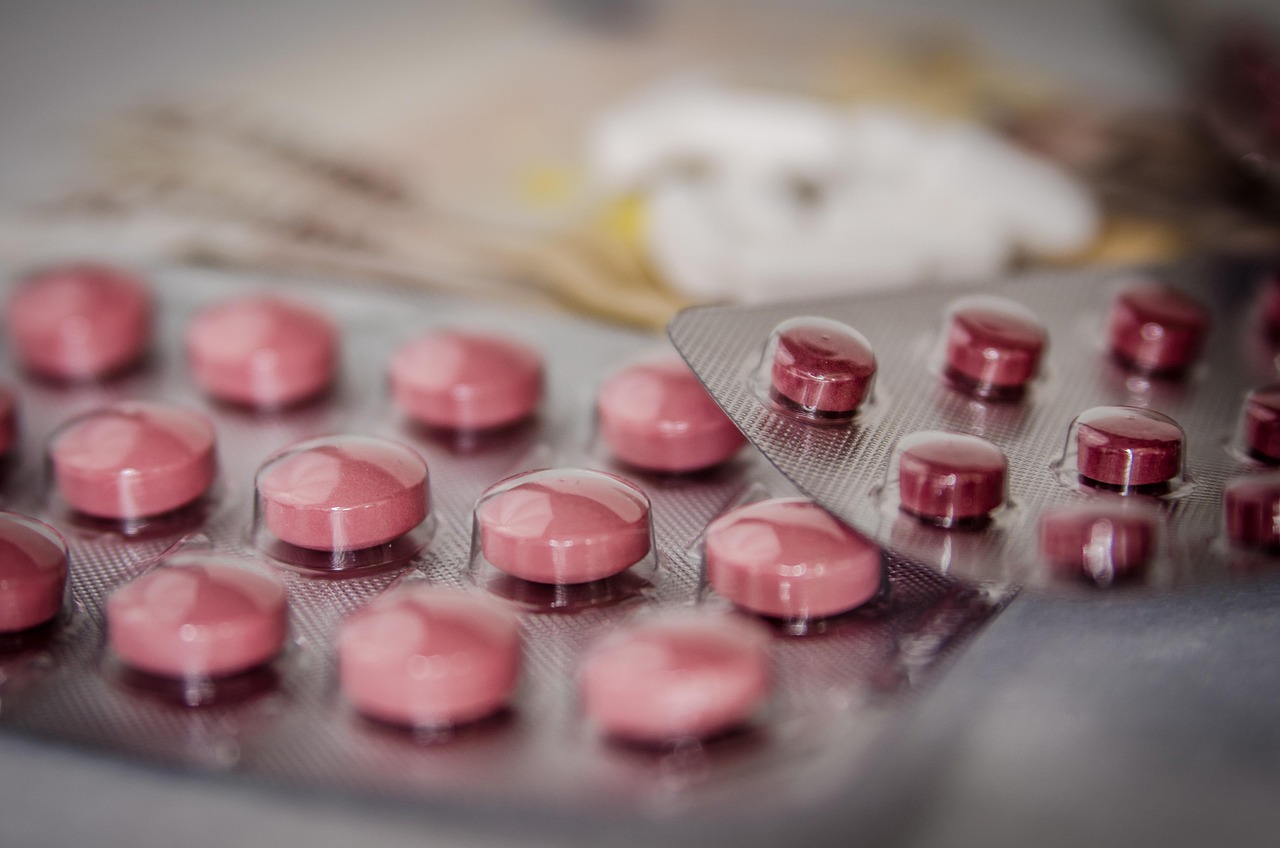
At Uganda Christian University (UCU) and other institutions across the country, emergency contraceptives such as Revoke-72, Postinor-2, and NorLevo are becoming a regular purchase for many young women. Health experts warn that the widespread and uninformed use of these pills is dangerous.
“I take it almost every other day,” confessed one UCU student who preferred anonymity. “It’s easier than remembering daily birth control pills. The pharmacy near campus sells it to anyone, no questions asked.”
Her statement reveals a problem: easy access, limited awareness, and the normalisation of emergency contraception as a casual fix.
Pharmacies are quiet suppliers of these pills, often without offering any medical guidance or asking critical questions.
Emergency contraceptive pills contain levonorgestrel, a synthetic hormone that prevents ovulation if taken within 72 hours after unprotected sex. But experts insist that their repeated use is a serious health risk.
“We are seeing a growing number of young women presenting with hormonal imbalances, missed periods, and abdominal pain,” said Dr. Linda Jovia Kyomuhendo of the Joint Clinical Research Centre (JCRC). “The morning-after pill was never intended for routine use. When taken frequently, it disrupts the menstrual cycle and can cause long-term reproductive complications,” she adds.
Doctors have also linked chronic misuse to nausea, vomiting, mood swings, depression, and even future fertility problems. But many students remain unaware of these dangers.
Behind the trend lies a culture of silence and shame. Many young women choose the pill to avoid conversations about contraception, fearing judgement from peers or religious scrutiny from the institution’s community.
“It’s private and fast,” said another student. “No one has to know what I’m doing. I can just walk in, buy it, and leave.”
This secrecy, however, has made the morning-after pill an unmonitored form of self-medication.
At UCU, a faith-based university, the issue raises deep moral and ethical questions. The institution promotes sexual abstinence and purity, yet health workers in nearby clinics report a steady demand for emergency pills among students.
“As a Christian, I believe abstinence is the best way,” emphasised Dr. Kyomuhendo. “But as a medical professional, I can’t ignore what’s happening. If young people are sexually active, they must be guided on safer, more sustainable contraceptive methods. The morning-after pill is not one of them.”
Lack of education and oversight
Interviews with several pharmacists revealed that few students seek advice before purchasing the pill. Some pharmacies even sell it over the counter multiple times to the same customers within a week.
Health advocates say this points to a failure in sexual education where students lack proper information about contraception, reproductive health, and the consequences of hormonal misuse.
“Emergency contraception is not evil,” said a reproductive health educator who requested anonymity. “The danger lies in ignorance. Universities need to address this head-on, through open dialogue and accurate information.”
The hidden cost
While the morning-after pill remains a safety net in preventing pregnancies, its misuse has become a silent health hazard. The short-term convenience masks long-term risks that many students are unaware of from hormonal instability to infertility. Students therefore need to educate themselves on the effects of the pill so as not to suffer the consequences of misusing it.
