


By Racheal Atuhaire
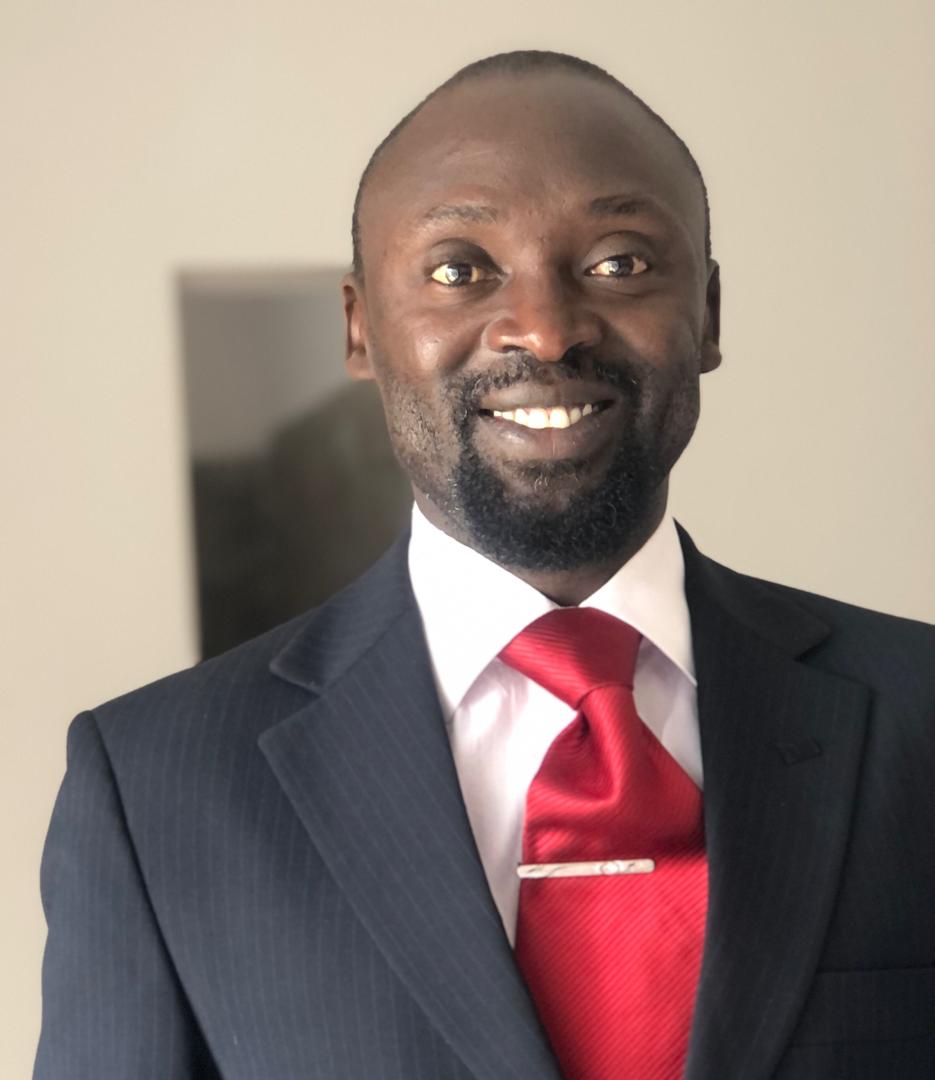
At Uganda Christian University (UCU), research excellence is often built quietly through supervision meetings, late-night writing, and steady academic discipline. For Dr. Emmanuel Eilu, that quiet consistency paid off in 2024, a year that saw him earn recognition as the best-awarded researcher at the UCU Research and Innovation Symposium 2025.
Dr Eilu is a senior lecturer at UCU Mbale Campus, where he has served since May 2018. He teaches Information and Communication Technology (ICT), covering computing and technology at both undergraduate and postgraduate levels. His academic interests lie in human computer interaction, with particular focus on usability and user experience, alongside applied research in e-government, e-learning, and e-commerce.
He holds a PhD and a Master’s degree in Information Technology, qualifications that underpin a research career defined by depth, relevance, and consistency. Over the years, Dr Eilu has maintained a steady publication rhythm, producing one to two scholarly works annually. To date, he has published over 40 academic works, including journal articles, conference papers, and book chapters, most of them completed without external research funding.
A defining year
The year 2024 marked a significant milestone in Dr Eilu’s academic journey. He published four scholarly publications within a single year, the highest number of publications by an individual researcher recorded in UCU’s Digital Repository for that period.
What set this achievement apart was its strong postgraduate focus. Three of the four publications were co-authored with masters students under his supervision. For Dr Eilu, this was intentional.
“I already had ongoing work with my masters students,” he explains. “I made sure all the publications were completed and published in 2024. It was important that their work reached a wider academic audience.”
In addition to the student-led publications, the Department of Computing also produced one collaborative paper, reflecting growing departmental engagement in research and publication.
Time, support, and strategic planning
Dr Eilu attributes the success of 2024 partly to institutional support. Through approval from the university, he was granted a semester off from teaching duties, allowing him to temporarily reduce his workload and focus on supervision, writing, editing, and publication.
This dedicated research time proved crucial. During the same period, Dr Eilu was also involved in editing an academic book. As one of the editors, he contributed to the publication of three chapters and one journal conference paper. He also had the opportunity to present his work at a conference, further expanding the visibility of his research.
“The time allowed me to bring together work that was already in progress,” he notes. “It made the publication process much easier.”
Research beyond the university
Beyond his role at UCU, Dr Eilu is actively involved with non-governmental organisations, where he supports data analysis and research processes. This engagement enables him to apply academic research methods to practical challenges, strengthening the link between scholarship and real-world impact.
Since joining UCU in 2018, Dr Eilu has produced 10 publications directly attributed to the university, significantly contributing to its research output and academic standing.
Recognition
The recognition that followed his 2024 output extended across academic circles, with colleagues offering numerous congratulatory messages. UCU formally honoured him with a brand-new HP laptop and an air ticket to a regional academic conference, sponsored by Uganda Airlines.
Reflecting on the award, Dr Eilu admits it came as a surprise.
“When I was working hard in 2024, I did not expect to be recognised,” he says. “I was overjoyed. Since joining UCU in 2018, this recognition means a lot. It also brought credibility to my students; their work was published and acknowledged.”
For Dr Eilu, research is not separate from teaching, it is an essential pillar of university life.
“The two cardinal activities in a university are teaching and learning, and research,” he emphasises. “Research is especially important for postgraduate students.”
He strongly encourages these students to publish their research, arguing that publication allows scholars to test their ideas, gain academic visibility, and understand their position within the wider research community.
“When you publish, others validate your work,” he explains. “Universities are also ranked by their research output, so student publications benefit both the individual and the institution.”
Looking ahead
He concludes by expressing gratitude to the Directorate of Research and Innovation and UCU leadership for recognising research efforts and creating an environment where scholarship is valued.
“This recognition shows that research at UCU is seen and appreciated,” he says. “It motivates researchers to engage more deeply and aim higher.”
Dr Eilu’s journey reflects the power of consistency, mentorship, and institutional support a reminder that impactful research is often the result of sustained effort, thoughtful collaboration, and a commitment to academic excellence.
