


By Victor Turinawe
Experts are urging African governments and development partners to increase investment in digital infrastructure to support e-learning and improve reporting on migration. The appeal came during a panel discussion titled “Why Online Education in Africa Must Draw on African and Cross-Border Research” at the 3rd International CoMMPASS Conference underway at Uganda Christian University.
Miguel Crespo from ISCTE in Portugal said online learning platforms often fail to reflect African realities such as language diversity and digital accessibility. Presenting on “E-learning in Africa: Inclusion, Development and the Strategic Role of the Portuguese Language,” he said many learners are excluded because courses ignore these needs. He called for greater investment in technology to make online education more inclusive and accessible.
The CoMMPASS Project, now in its third year, offers online training to help African journalists and students report on migration with accuracy and ethical standards.
During the same session, Issa Boro from Thomas Sankara University in Burkina Faso said the gap between newsroom expectations and classroom training is growing. He urged stronger collaboration between the two fields to protect journalism standards and said programmes like CoMMPASS play a key role in closing that gap.
Mulatu Alemayehu from Ethiopia said journalism schools lack specialization in complex areas such as migration reporting. He said targeted courses are needed to develop this expertise.
Other sessions on the opening day examined the status of online teaching, the recognition of online learning, and the progress of CoMMPASS courses designed for journalists seeking continuous training.
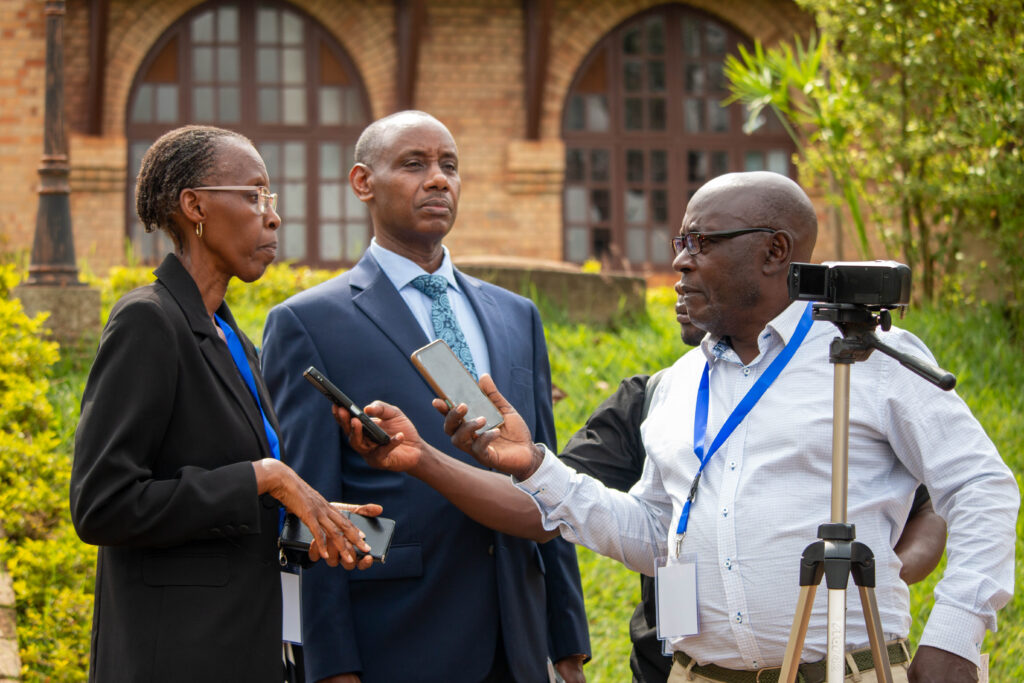
UCU Vice Chancellor, Prof. Aaron Mushengyenzi, opened the conference with a call for stronger, informed, and ethical reporting on migration. He thanked partners from the European Union, the German Embassy, and universities across Africa and Europe for supporting the CoMMPASS initiative.
He noted that the project has trained more than 2,357 journalists and students and brought together 37 universities. He said the research and training produced under the project will support teaching, learning, and policymaking on migration and refugee issues.
Prof. Mushengyenzi said migration is often tied to suffering and trauma. He cited global crises in Gaza, Ukraine, Latin America, and Africa, and noted that Uganda hosts nearly two million refugees from South Sudan, the Democratic Republic of Congo, and the Great Lakes region. He said forced migration is driven by conflict, exploitation of natural resources, and political interference by powerful nations.
He urged journalists and researchers to look beyond the movement of people and examine the forces that destabilise communities. He also warned of growing risks to journalists who investigate these issues and called on CoMMPASS partners to ensure their research informs policymakers and regional bodies.
The Principal Investigator of the CoMMPASS Project, Prof. Dr. Susanne Fengler, said the project has created strong networks and partnerships across continents. She thanked partner institutions and UCU for hosting the conference and acknowledged the support of the European Union and the German Embassy.
She highlighted achievements such as the development of an e-learning platform built with support from Makerere University’s IT and Open and Distance Learning team and a 40-module course that has reached more than 1,000 African students. The project now spans over 30 African countries, expanding from its initial eight.
She also recognised the contributions of Dominic Speck, who co-drafted the original proposal, and Dr. Michelle Araf, who helped drive the project’s growth.
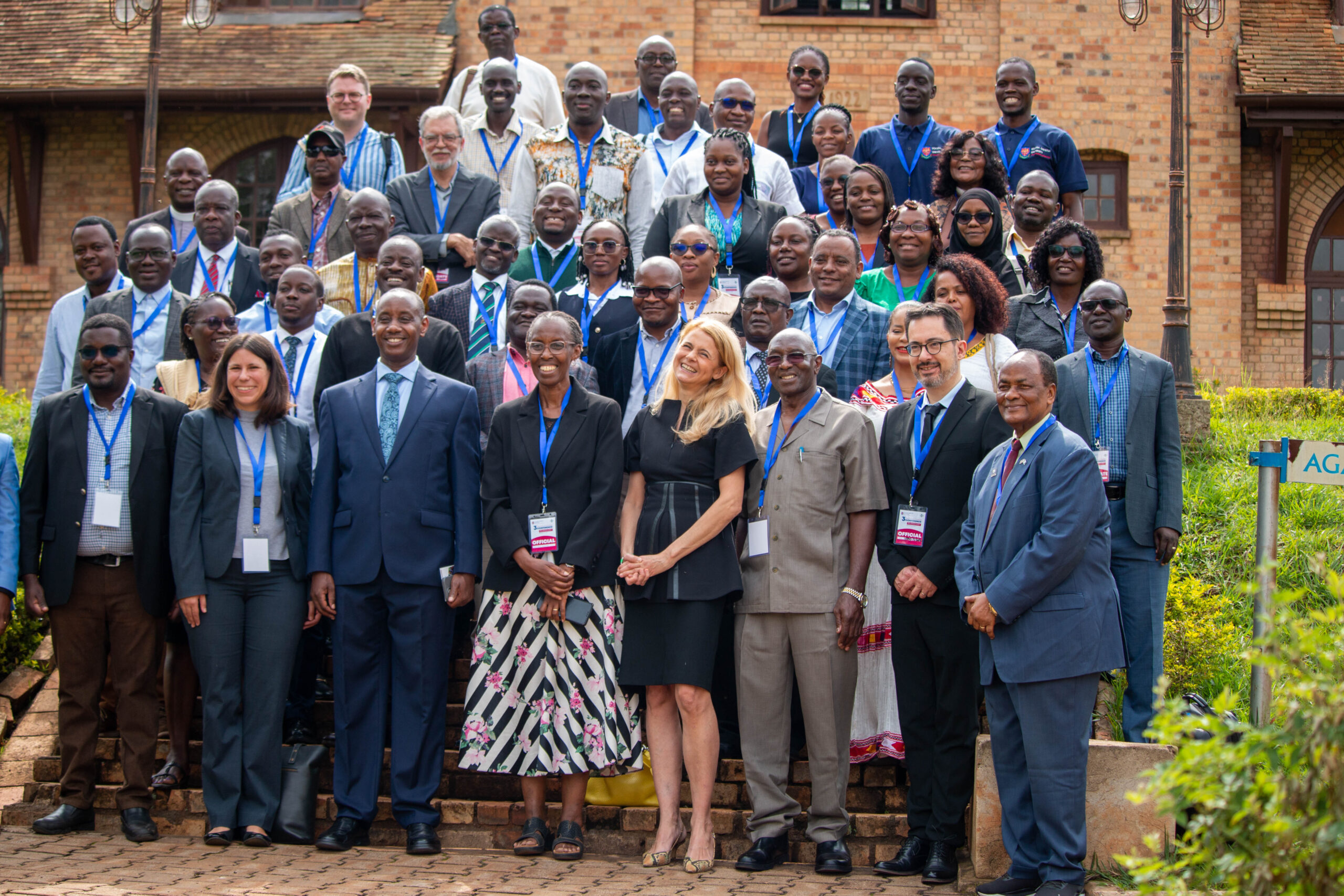
The five-day conference, hosted by UCU under Co-Principal Investigator Prof. Monica Chibita, has drawn scholars from across Sub-Saharan Africa and runs until Friday, 6 February 2026.
