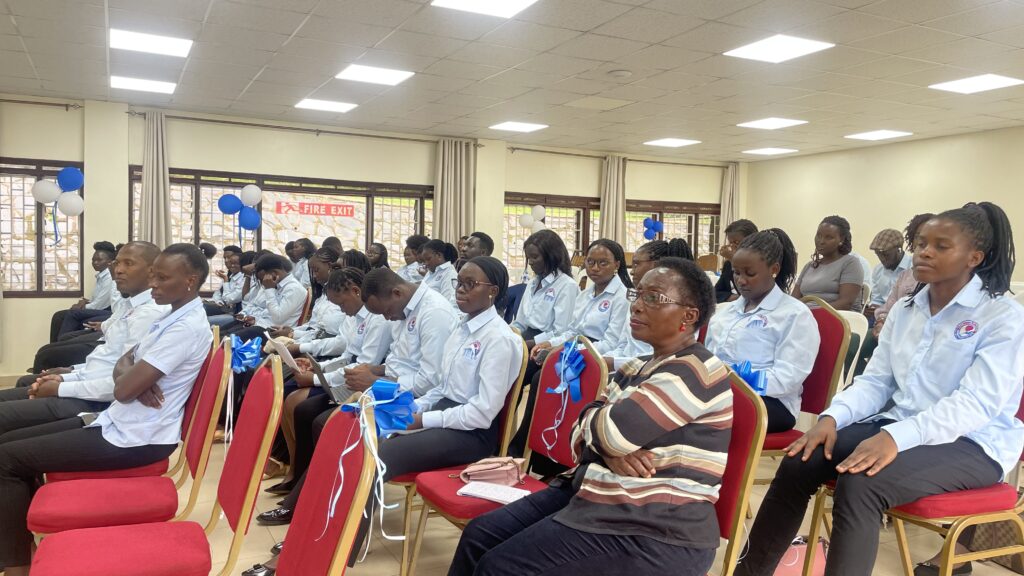



By Gift Kalikulali
Uganda Christian University (UCU) has graduated a new group of para counsellors to strengthen
mental health support, peer counselling, and emotional well-being among students and the wider
community. The graduation ceremony was held on Friday, March 27, in the Executive
Conference Room at the university.
Delivering the main message, Rev. Rose Ekirungi, a theology lecturer at UCU, called on the
graduates to practise deep empathy in their counselling work. She urged them to “rejoice with
those who rejoice and mourn with those who mourn”, adding that “a good counsellor must be
able to understand and share the emotions of others without judgement.” She also encouraged the
graduates to remain faithful, humble, and committed to serving God and humanity.
The Guest of Honour, the acting Director of Student Affairs, Ms Enid Mugarura, congratulated
the graduates upon successfully completing the training. “Counselling requires discipline,
confidentiality, and compassion,” she said. “You are now in a position where people will trust
you with their deepest struggles, so use your skills responsibly and ethically.”
The training the para counsellors received covered key areas including counselling skills, ethics,
depression management, drug use prevention, anger management, grief counselling, life skills,
and identity development.
Mr Ali Muganga, President of the Para Counsellors Association, thanked the graduates for their
dedication throughout the training. “This programme has equipped you not only with counselling
knowledge but also with life skills that will help you grow personally while serving others
effectively,” he noted.
Speaking on behalf of the counselling team, Ms Racheal Nakamya encouraged the graduates to
remain committed to supporting others. “Be present for people in both their joyful and painful
moments,” she said.
ASP Eseri Kusiima, who represented the Uganda Police, highlighted the importance of
collaboration in ensuring student safety. “Report issues early and work closely with security
agencies,” she urged. “This will help us address challenges such as drug abuse, violence, and
other risks within the community.”
For the students, the training provided a sense of confidence and responsibility. Keona Nkwanzi,
shared how the training had impacted her personally. “I have come to understand both myself
and others better,” she said. “I realised that many people struggle silently with personal,
emotional, and financial challenges, and they need empathy and support.”
At the event, university officials emphasised the growing need for mental health support among
young people, especially those facing stress, relationship challenges, and substance abuse.
Graduates were encouraged to use their knowledge and skills to promote healing, hope, and
positive change in their communities