

By Racheal Atuhaire
Nine years ago, Beles Bubu Africa began in a single room inside a refugee community. There were no studios or big cameras, just a determination to tell stories that were missing from mainstream narratives. Today, that small room has grown into a vibrant urban refugee-led media and innovation hub, producing content watched by millions across the world.
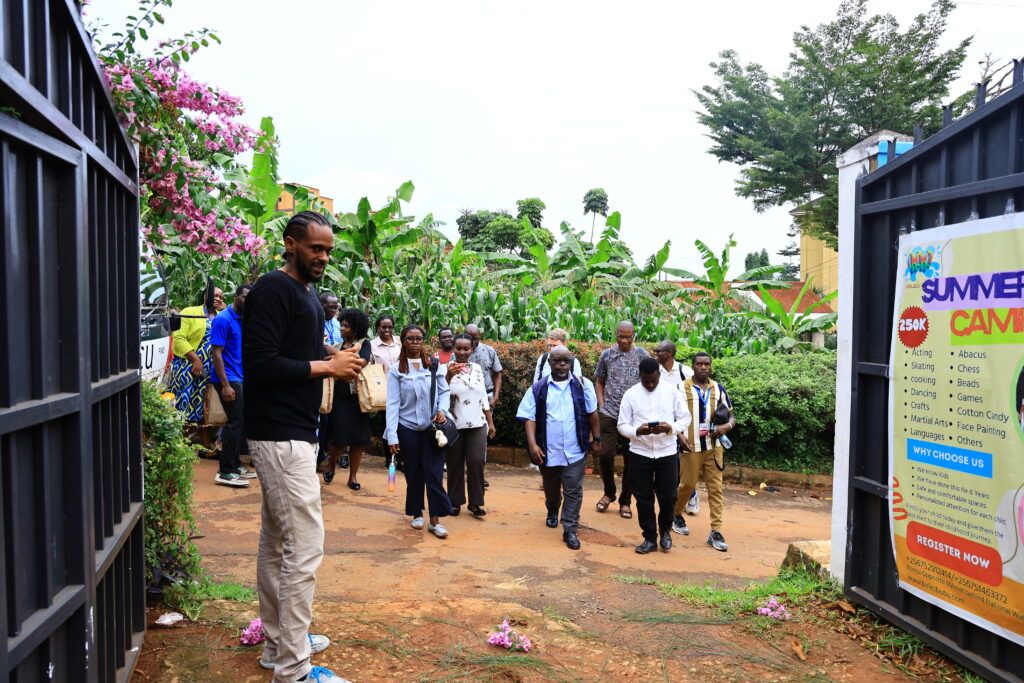
It was here that participants of the CoMMPASS Conference, on a tour to visit different media spaces, encountered perhaps the most powerful lesson in migration storytelling: when migrants control the tools of storytelling, the narrative changes.
“We started with very little space, but a big vision,” said Kisanet Tedros, the organisation’s Chief Executive Officer. That vision now includes podcast and television studios, green-screen production spaces for children’s content, and technical units training refugees and youth in media, technology and innovation. With over 1,000 digital videos and more than 100 million views, Beles Bubu Africa has become proof that refugee stories can be both authentic and globally relevant.
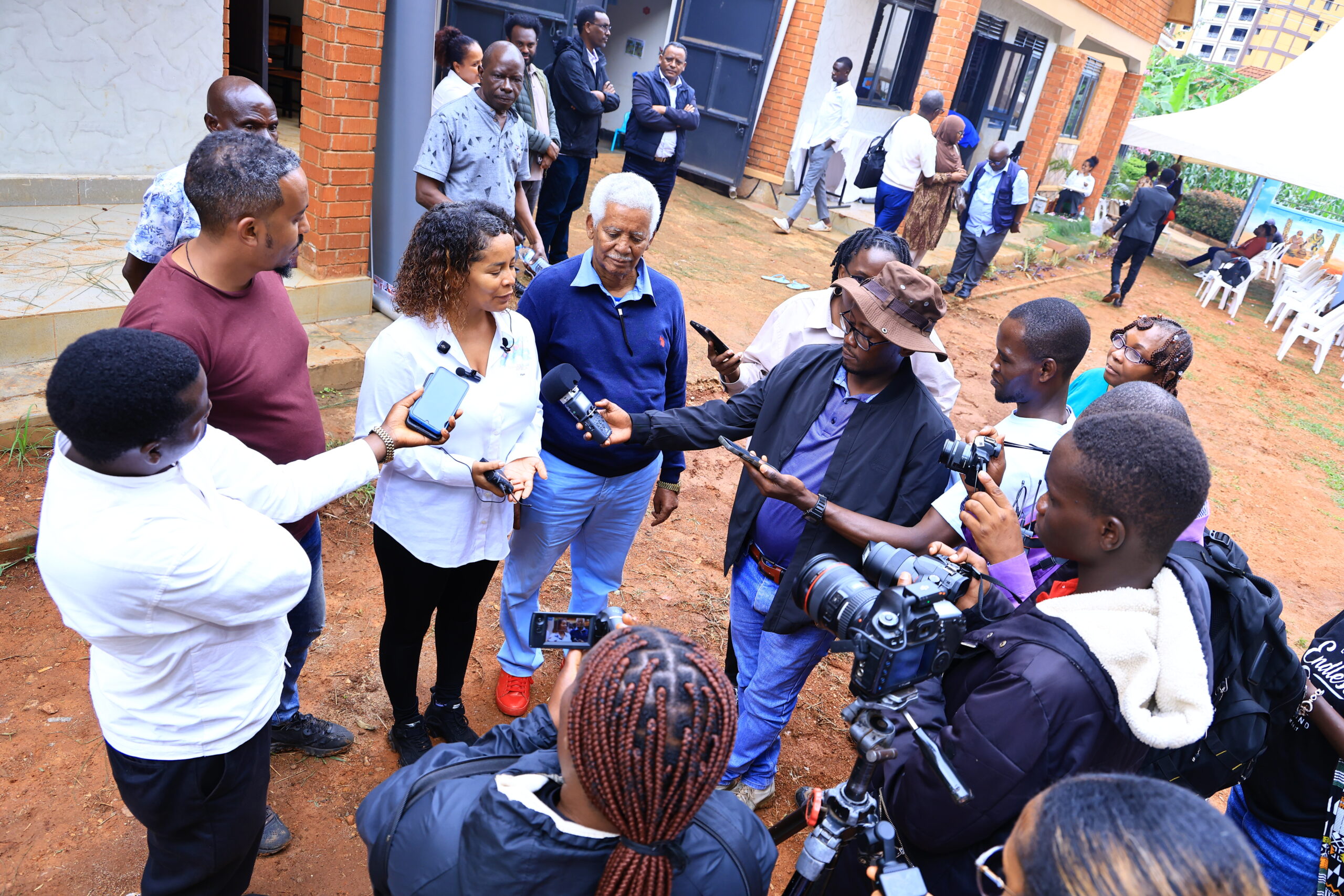
From Beles Bubu, the learning tour traced its way to the Vision Group offices, where participants engaged with Editor-in-Chief of New Vision Barbara Kaija on the responsibilities of mainstream media when covering sensitive issues such as migration. When questioned about editorial independence under government ownership, Kaija emphasised that facts, not power, guide the newsroom. “If the evidence is clear, we publish. That is how credibility is built,” she said.
The conversation on truth and trust continued at the Media Challenge Initiative (MCI), where media literacy is taught through experience rather than lectures. Interactive games, newsroom simulations and mobile activations encourage young audiences to question information and understand the value of verified facts. “We are not just fighting misinformation,” MCI CEO Abbas Mpindi noted. “We are promoting why facts matter.”
Together, the three spaces revealed different approaches to the same challenge: how migration stories are told, who tells them, and whose voices are centred. But it was Beles Bubu Africa that offered the most direct answer, migration storytelling is strongest when refugees are not just subjects, but authors of their own narratives.
As the CoMMPASS Conference participants reflected on the tour, one message stood out clearly; ethical migration storytelling is not only about accuracy and balance. It is also about access, ownership and the courage to let those most affected speak for themselves.