

By Gift Kalikulali
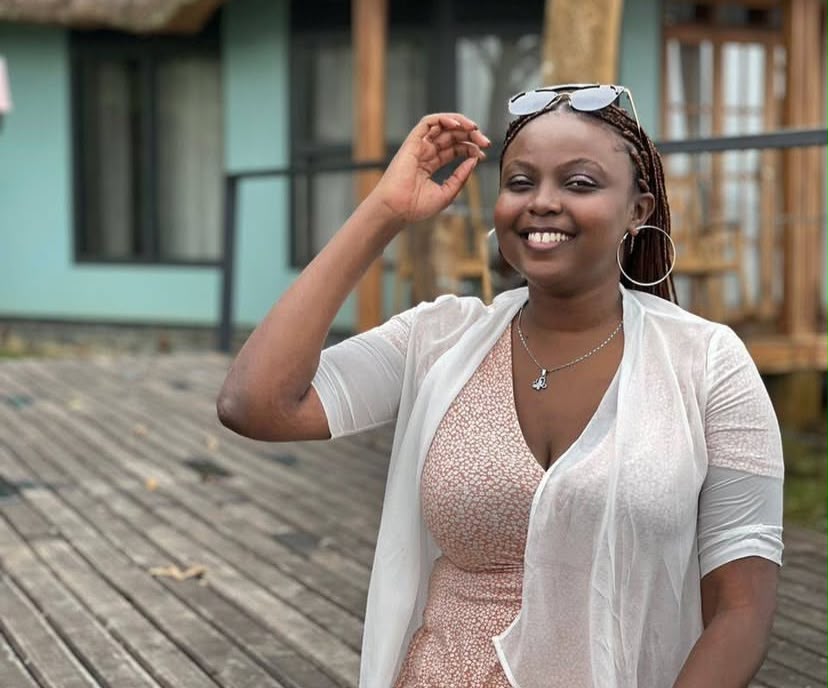
Patience Kabaraha Atwooki, a Law student at UCU Mukono University, died on Saturday at Nakasero Hospital after years of illness, just days before her family hoped to proceed with a kidney transplant.
Her sister had volunteered to donate a kidney, and the family was preparing for visa interviews scheduled for the following week as part of the transplant process. The family had hoped to take Kabaraha to India for the procedure, but she died before the plans could proceed.
On Saturday, when she began feeling unwell, her family took her to hospital. The doctor said she needed immediate brain surgery. She was in and out of consciousness and complained of a bad headache.
Her death came at a time when her classmates had only just started raising money towards her medical care. According to her classmates, they learnt about the fundraising and about three hours later began hearing reports that she had died. Her brother later confirmed the death at about 11pm.
Kabaraha had reportedly been sick since Senior One but was not clearly diagnosed until Senior Five by Dr Batte. Her best friend, Aineomugisha McCynthia, said she was later diagnosed with SLE, a condition that affected her kidneys and eventually led to kidney failure.
McCynthia said Kabaraha was on dialysis, but the kidney condition itself was not what led to her death. She said Kabaraha later developed an aneurysm, underwent surgery and was eventually placed on life support.
Despite years of illness, Kabaraha continued with her education and tried not to allow her condition to define her.
Nsiima Ruth Lynda, her class representative, said Kabaraha was hopeful and often reminded people that she was more than her illness.
“She always said she was more than the illness,” Nsiima said. “She always stopped us from treating her as a sick person.”
Nsiima said Kabaraha loved school and continued attending classes despite regular hospital visits. When her legs became swollen, she would sit at the front of the classroom and raise her feet. Her classmates would leave a free seat for her.
Her condition was not widely known among students until she began missing classes more often. Nsiima said Kabaraha sometimes took pain medicine that made her sleepy but still tried to attend lessons.“She was such a hardworking person and she always showed up no matter what, for class and for her friends,” Nsiima said.
McCynthia, who had been Kabaraha’s best friend for about a year, said their friendship began through their shared love of books.
She described Kabaraha as intelligent, hardworking, hopeful, insightful, funny and sarcastic. She said Kabaraha read and understood information quickly and never allowed her illness to interfere with her studies.
“She didn’t let her illness affect her at all,” McCynthia said.
McCynthia said Kabaraha missed only a few papers because of illness and would sometimes read throughout the night to prepare for examinations. She said Kabaraha also disliked being treated as a sick person.
As her condition worsened, her dialysis was changed from Saturday to Friday. When McCynthia asked whether she was getting worse, Kabaraha remained hopeful.
“She said, ‘Yes, it keeps getting worse, but I’m going to get a transplant,’” McCynthia recalled.
Lynn Kisakye, her long-time friend who met Kaaraha in A-level and became close to her at university, remembered her as strong, loving and cheerful despite her pain.
“She was very positive about life, always jolly despite the pain she was going through,” Lynn said.
Lynn recalled visiting Kaaraha at home with other friends and said she was overwhelmed and happy to see them, welcoming them with her bright smile.
Kaaraha’s father also remembered her during prayers as a smart student who remained committed to her education and died without having to retake any course.
Kaaraha loved reading, especially Children of Blood and Bone by Tomi Adeyemi. She had also studied Physics, Chemistry and Mathematics before choosing to pursue Law.
For McCynthia, however, Kaaraha’s memory goes beyond her illness.
“For a person who was so sick, she carried so much space for all of us,” she said.
She wants Kaaraha to be remembered as brave, funny, hopeful and extraordinary — a young woman who continued to make room for others even while carrying her own pain.
