


By Victor Turinawe.
The 28th Uganda Christian University (UCU) Guild Government leadership has encouraged students to regularly monitor their academic records and promptly report any discrepancies regarding missing marks through the proper channels.
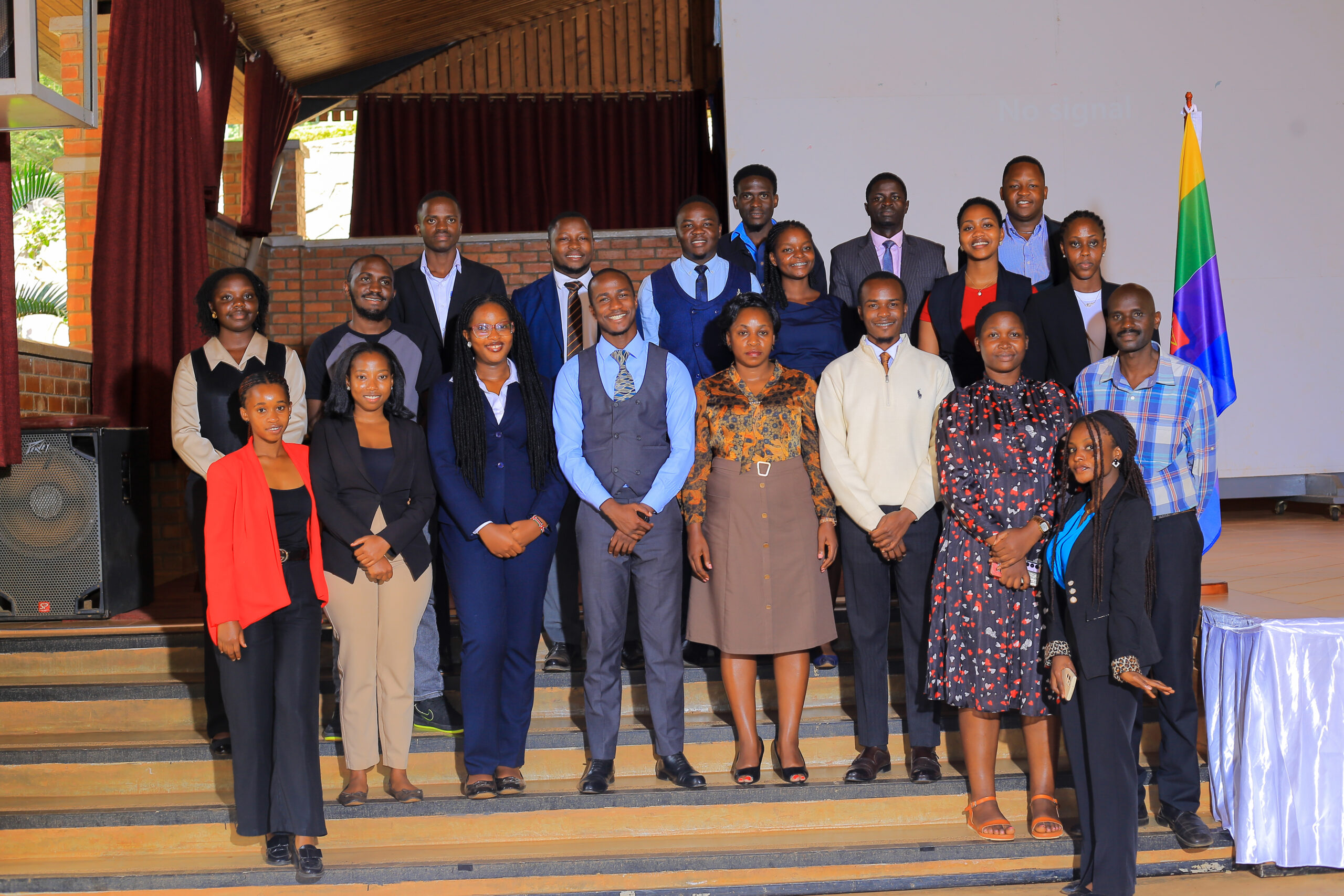
The Guild leaders, led by President Abraham Elomaboni, made the call during the General Assembly after the challenge of missing marks emerged as a major concern raised during the assembly held at Nkoyoyo Hall on the university campus.
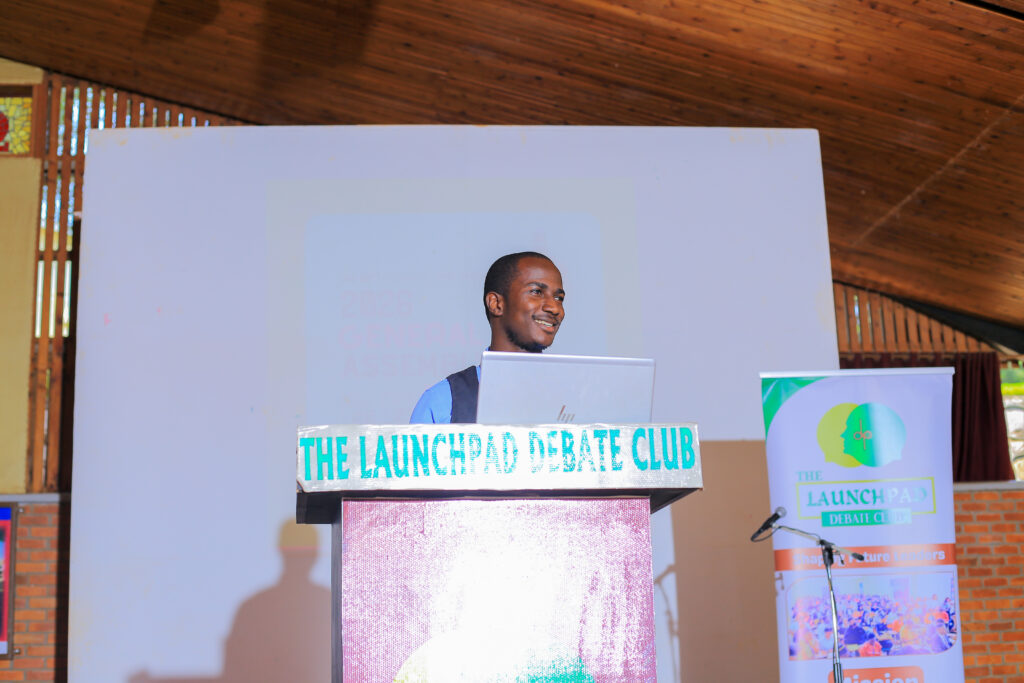
Responding on behalf of the Ministry of Education, Elizabeth Lubega explained that the Guild government has been working with relevant university departments to address the issue.
“The ministry revealed that investigations showed that many students delay reporting missing marks until they are nearing graduation, which complicates the resolution process,” said Minister Lubega.
The ministry also announced plans to launch a sensitisation campaign aimed at educating students, class representatives and association leaders on how to follow up on academic results and resolve missing mark cases more effectively.
While addressing the assembly attendees, President Elomaboni stated that the total annual student government budget stands at approximately UGX 250 million. Out of this amount, a significant portion supports administrative obligations and operational costs, while approximately UGX 143 million is allocated directly to student programmes and activities.
As of June, expenditure on student programmes and activities stood at approximately UGX 48 million, representing responsible utilisation of available resources.
Major expenditure areas include Sports Activities – UGX 6,290,000; Education and Academic Programmes – UGX 8,000,000; Communications and Public Relations – UGX 480,000; Election Commission Activities – UGX 690,000; and Gender, Welfare and Social Development Programmes – UGX 1,920,200.
The president also noted that student activity funding has improved significantly during the current administration, allowing more resources to be directed towards student-centred activities and projects, such as continued support for the FUEL programme, which was started by previous governments; entrepreneurship skills training programmes; and many others.
“Most of the planned activities already have budget allocations and are expected to be implemented before the end of the term,” said Elomaboni.
The president also emphasised that ongoing collaboration between students, student leaders, and administration is critical to improving student welfare and strengthening university governance.
“We remain committed to representing students effectively and ensuring that their concerns reach the relevant decision-making bodies,” he concluded.
Nevian Wandera, President of the UCU Launch Pad Debate Club, presented the minority report and urged student leaders to consistently identify and report security black spots, poorly lit areas, and other risks to students.
“As representatives of a large student community that significantly contributes to the university’s social and economic development, they must actively push for practical solutions to improve safety and welfare,” explained Wandera.
“Students continue to face challenges related to essential services such as water and electricity. While these matters may not fall directly under the mandate of student leadership, leaders have a duty to raise these concerns with the university administration and seek timely interventions,” added Wandera.
In partial fulfilment of their core functions, Elomaboni and his cabinet answered student questions to the best of their ability. These included issues such as increased funding for clubs and associations across schools and faculties, delayed academic results release, student consultation before introducing new programmes, and many more.