

By Victor Turinawe.
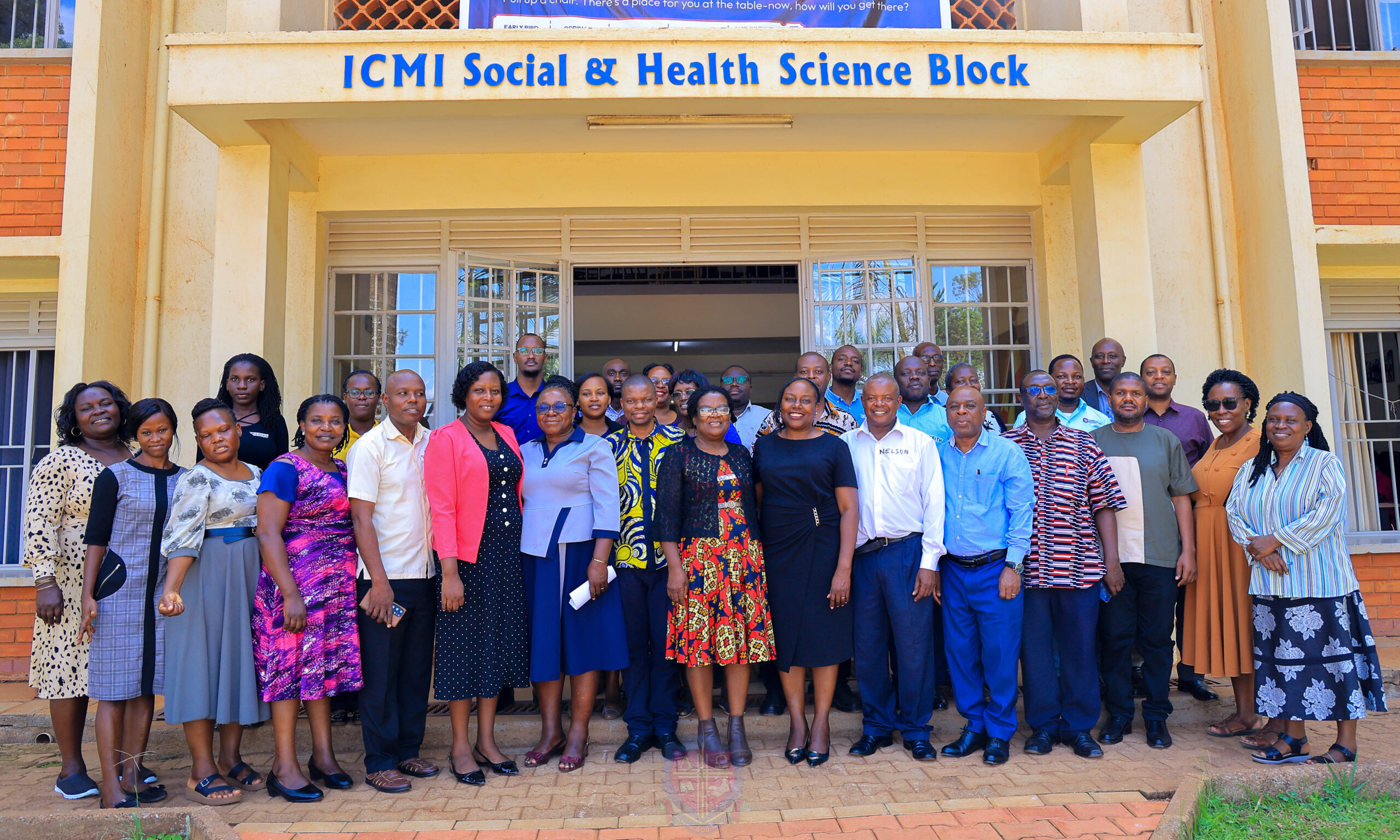
A section of teaching staff at Uganda Christian University (UCU) have been urged to prioritise community needs, institutional mission and donor priorities rather than personal interests when applying for grants.
The call was made by Mr Nelson Kakande and Mrs Betty Mabisi, facilitators of a three-day hands-on grants writing training held at the ICMI Building at UCU’s Mukono Campus.
During a session introducing participants to grant writing and the step-by-step proposal development process, Kakande said a strong grant proposal should balance three key elements: the needs of the community, the mission and capacity of the organisation, and the commitment of the funder.
“If you write a grant proposal targeting family interests, you might get it,” Kakande said, emphasising the importance of developing proposals that respond to genuine community needs.
He also advised participants against applying for grants when there is insufficient time before the application deadline, urging them to carefully assess funding opportunities before committing resources to an application.
Kakande encouraged staff to seek partnerships when applying for large grants, but cautioned that collaborations should add value to a proposal rather than duplicate existing efforts.
“Write your proposals well. Where you can’t get someone to help you, ensure that you have a good proposal. Personally, I have a young girl who is good at writing. I can write an eight-page essay and she summarises it into a three-page essay,” he said.
On collaboration, Kakande said applicants should have a clear justification for bringing partners on board.
“For purposes of collaboration with other people, you must have a justification. Otherwise, you can bring a collaborator on board instead of complementing the proposal, and they duplicate it,” he explained.
Mabisi, meanwhile, emphasised the importance of thoroughly understanding a funding opportunity before beginning to write a proposal.
“When a donor releases a funding opportunity, we need to understand exactly what they are asking for before we begin writing. These opportunities are commonly referred to as Funding Opportunity Announcements (FOAs). Others simply call them ‘calls’,” Mabisi said.
She urged participants to carefully study funding calls and identify their key information and requirements rather than simply reading them once.
“Good proposal writing begins with reading and understanding the call. If you are not good at writing, you must first develop the habit of paying attention to details. You cannot effectively respond to a funding opportunity unless you understand exactly what the donor is asking for,” she explained.
Mabisi encouraged participants to embrace practical learning, noting that understanding improves when people actively engage with what they are learning.
“When I hear, I forget; when I do, I understand,” she said.
The three-day training is focused on introducing participants to approaches and skills for effective grant writing and the application process, guiding them through the step-by-step development of grant proposals, equipping them with skills to identify and select suitable funding opportunities, and helping them build effective teams capable of developing competitive grant proposals.
