

By Victor Turinawe
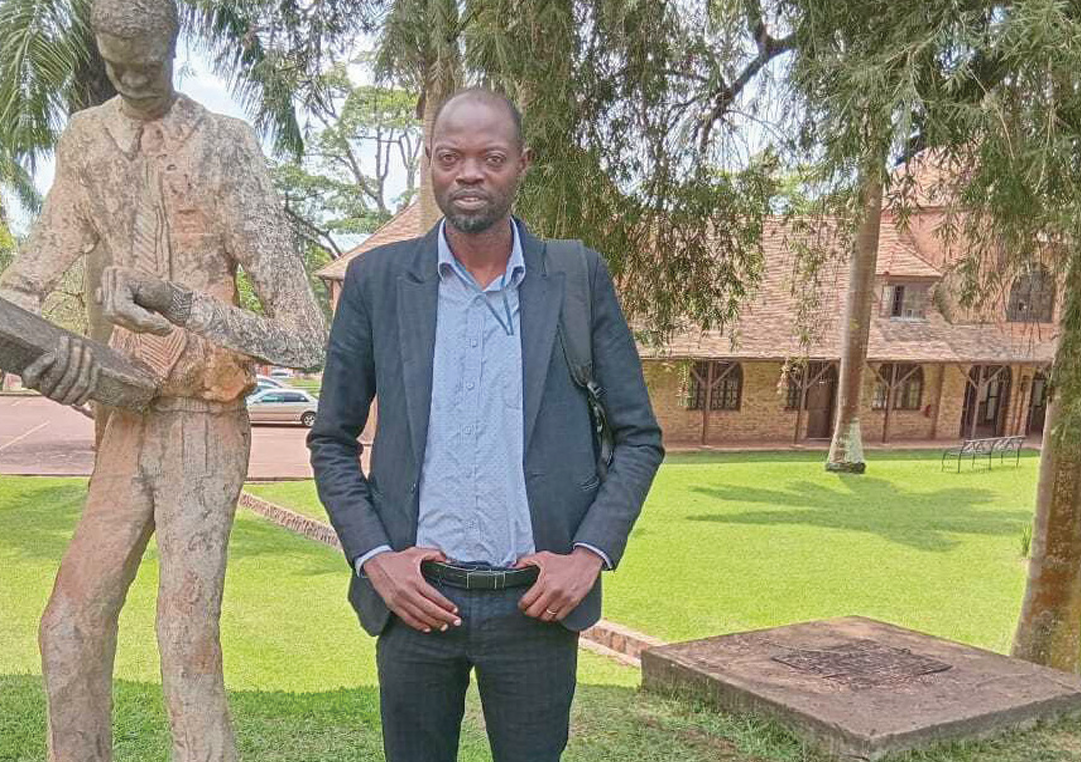
Oscar Boban Owakubariho, 46 years old, originates from Kabale District in Southwestern Uganda but was raised in Kololo, Kampala, in a family with only three children. He reminisces, as he tells his story of addiction to alcohol, that his upbringing was comfortable.
“My parents provided everything I needed, leaving me with no regrets about my childhood,” he says.
During his primary school years at Kitante Primary School, Owakubariho had no interaction with alcohol, but this changed when he joined secondary school at St Henry’s College Kitovu in Masaka. This was in 1994, as he and his peers became adolescents and new influences were beginning to shape their perspectives.
The deadly start
It was in 1995 that Owakubariho took his first drink of waragi. He remembers it was during the grasshopper season. What began as a one day thing later developed into a habit.
Initially, alcohol did not seem like a problem. However, between 1995 and 1996, his consumption gradually increased. He began with drinking local brewed waragi and also started smoking cigarettes.
By 1998, when he joined Kigezi High School for Senior Five Owakubariho says he started drinking different types of alcohol.
He shares, “That same year marked a turning point when the consequences of my lifestyle began to explode physically. After prolonged heavy drinking and smoking, I developed tuberculosis (TB). It began as a persistent cough. It worsened over time, despite attempts to treat it through clinics and herbal medicine. I was taken to Rugarama hospital in Kabale and Mulago Hospital in Kampala, where the doctor confirmed the diagnosis after a physical examination.”
Although he was placed on strong TB medication and began to recover, his return to alcohol took a short time. Within a month of feeling better, he resumed drinking, worsening the situation.
Academically, Owakubariho’s life suffered greatly. During Senior Five, he accomplished very little due to his illness. In 1999, he joined Kyambogo College School for Senior Six but rarely attended classes. Instead, he spent most of his time drinking in areas such as Banda, moving between bars and home.
When the time came for him to join university, Owakubariho’s father presented him with two options at Uganda Christian University (UCU): pursue a degree in law or education. This ultimatum forced him to make a choice, and he opted for law, joining UCU in 2000.
But the drinking continued.
“One night I spent hours drinking heavily in Blue Bar Kireka until around 4am. After, I started walking to Namugongo where my brother lived. Thugs attacked me and beat me. I almost lost four teeth in my mouth,” he shares. Bleeding and injured, Owakubariho made it home. The next morning, he visited a dentist in Kireka, who determined that several teeth had to be removed. Even during the procedure, Oscar relied on alcohol, drinking vodka to numb the pain before allowing the dentist to proceed. By this time though, he had realised the havoc alcohol was causing in his life and wanted to stop the drinking.
Failed attempts to quit
His first real attempt came in 2005 while studying at the Law Development Centre (LDC), but that failed. The second time was in 2013, when his health deteriorated in a short period of time. Then, he was truly confronted with the reality of his situation. For the first time, he genuinely feared death.
“Between 2014 and 2015, I realised I was close to death. In a moment of surrender, I prayed for salvation, asking Jesus Christ to become my Lord and Saviour,” explains Owakubariho. That marked a turning point and he began to recover.
But challenges remained. “Recovery was not easy. Rebuilding my reputation was equally difficult,” he shares. Owakubariho also had to relearn basic routines, how to maintain his hygiene, eat regular meals, and adjust to a structured life.
After beginning his recovery, Owakubariho returned to the academic environment to speak to students about his journey. During this time, Ms Nancy Kobusingye, Dr Vicent Kisenyi and Ms Clare Mwebaze Arinaitwe, all staff members at UCU, challenged him to take his future seriously, pointing out that many of his peers had advanced academically while he had not.
That moment reignited his determination.
When the COVID-19 pandemic created an opportunity, Oscar enrolled for a master’s degree despite financial challenges. Through support from his father and personal determination, he completed the degree and eventually secured a teaching role at UCU where he teaches to this day.
Owakubariho describes the change and recovery as immediate spiritually but gradual physically. Between 2015 and 2018, he struggled but persisted, sometimes relapsing but continuing to grow in discipline, prayer, and faith.
A defining moment came on February 2, 2018, when he was baptised. After that, his relapses became fewer, and by August 17, 2018, he stopped drinking completely, a commitment he has maintained to this day.
Worst moments
Looking back, Owakubariho says some of his worst times during the addiction were the nights he spent in police cells across Kampala and Mukono. His behaviour under the influence also strained family relationships, as he frequently lashed out at his parents with abusive language.
He adds, “My most painful moments were the opportunities I lost. I turned down a chance to pursue a master’s degree and was dismissed from my first job at Birungi Barata Company Advocates and my second job at the Multitech Accounting Programme (MAP), dismissing advice from mentors. Years later, I would come to regret this deeply.”
Lessons to share
Reflecting on his journey, Owakubariho believes his years in addiction were largely wasted, but they also became a form of harsh training that shaped his character. His message is clear to those who find themselves struggling with addiction: avoid negative influences and environments, stay connected to supportive communities, and seek guidance and accountability. Most importantly, for those who believe, rely on faith for strength and transformation.
